

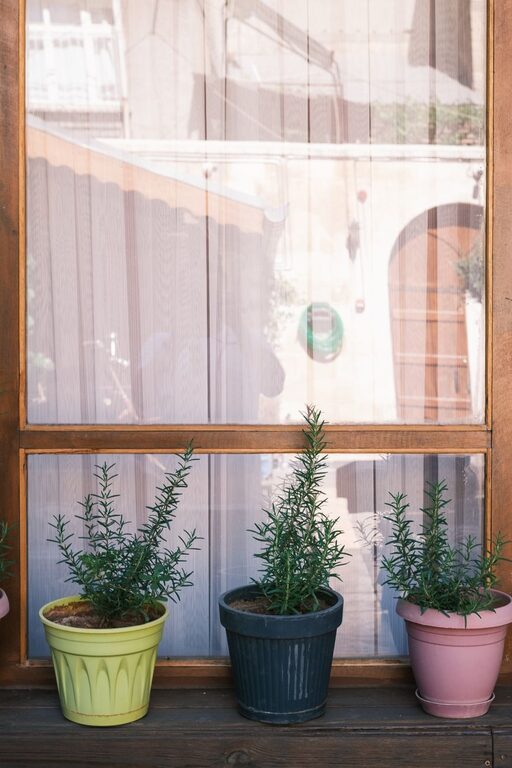
Growing herbs indoors is a simple way to add fresh flavor to meals, brighten your home, and enjoy gardening in any season. You do not need a large space or expensive equipment. With a sunny windowsill, a few containers, and regular care, you can grow useful herbs in a kitchen, living room, or small apartment.
This guide explains how to plan, plant, and maintain a small indoor herb garden, even if you are new to gardening.
Choose the Right Herbs
Start with herbs that grow well indoors and match the food you enjoy cooking. Some herbs need more space than others, so consider the mature size of each plant before buying seeds or seedlings.
Good choices for a beginner-friendly indoor garden include:
- Basil: A fast-growing herb that enjoys warmth and bright light.
- Chives: Compact, hardy, and easy to trim for soups, salads, and eggs.
- Mint: A vigorous grower that works well in its own container.
- Parsley: Useful in many dishes and available in curly or flat-leaf varieties.
- Oregano: A low-maintenance herb that prefers bright light and well-draining soil.
- Thyme: A small, fragrant herb that tolerates slightly drier conditions.
- Cilantro: A flavorful option, although it may grow quickly and need frequent replanting.
If space is limited, begin with two or three herbs rather than trying to grow everything at once. Basil, chives, and parsley make a practical starter collection.
Find the Best Location
Most herbs need at least six hours of bright light each day. A south-facing window is often a good choice, while an east- or west-facing window may also work. Place the plants close to the glass, but avoid letting their leaves touch a very cold window during winter.
Watch the plants for signs that the location is not working well. Pale leaves, thin stems, and slow growth may indicate that the herbs need more light. If the plants lean strongly toward the window, turn the containers every few days so they grow more evenly.
A sunny windowsill is convenient, but it is not the only option. If your home does not receive enough natural light, use a small indoor grow light. Position it according to the manufacturer’s instructions and provide the herbs with a regular day and night schedule. A timer can make this routine easier.
Keep herbs away from heating vents, radiators, and drafty doors. Sudden temperature changes can stress the plants and dry out the soil quickly.
Select Containers With Drainage
The right container helps prevent many common growing problems. Choose pots with drainage holes at the bottom so excess water can escape. Without drainage, water can collect around the roots and cause them to weaken or rot.
Each container should be large enough for the herb’s root system. Small seedlings can begin in modest pots, but rapidly growing herbs may soon need more room. A container that is about 6 to 8 inches wide is a useful starting size for many common herbs.
You can use:
- Terracotta or ceramic pots
- Plastic nursery containers placed inside decorative pots
- Window boxes designed for indoor use
- Recycled containers with drainage holes added safely
Always place a saucer or tray under each pot to catch water. Empty the tray after watering so the container does not sit in a pool of water.
Mint should usually be planted alone because its roots and stems can spread quickly. Growing it in a separate pot also makes it easier to manage.
Use the Right Potting Mix
Regular garden soil is often too dense for containers. It may hold too much water and limit airflow around the roots. Instead, use a quality indoor potting mix that is light and drains well.
You can improve a standard potting mix by blending in a small amount of perlite or another drainage material. Follow the directions on the product label and avoid packing the soil down tightly. Roots need both moisture and air to grow properly.
Before planting, fill the container with soil while leaving a little space below the rim. This space makes watering easier and helps prevent soil from washing over the edge.
Plant Seeds or Buy Seedlings
Seedlings are the quickest way to begin harvesting. Choose plants with healthy green leaves, sturdy stems, and no visible pests. Avoid plants that look wilted, severely crowded, or covered in spots.
Growing from seed can be less expensive and gives you more variety. Read the seed packet carefully for planting depth, spacing, and expected germination time. Some herbs, such as basil and cilantro, are relatively quick to grow from seed. Others may take longer to become established.
When planting seeds, moisten the soil first, place the seeds at the recommended depth, and cover them lightly. Keep the soil evenly moist while the seeds germinate. Once seedlings appear, provide strong light and thin them if they are too crowded.
Water Carefully
Overwatering is one of the most common problems in an indoor herb garden. Rather than watering on a strict daily schedule, check the soil first. Press your finger about an inch into the surface. If it feels dry at that depth, the plant may need water.
Water slowly until a small amount runs from the drainage holes. This helps moisten the entire root area. Then allow the excess water to drain away.
Different herbs have slightly different preferences:
- Basil and parsley prefer soil that stays moderately moist.
- Thyme and oregano prefer the soil to dry slightly between waterings.
- Mint enjoys consistent moisture but should not sit in water.
- Chives need regular watering but usually tolerate minor drying.
Indoor air can become dry during colder months, but misting is not usually necessary. Good watering practices and proper drainage are more important.
Feed and Prune the Plants
Herbs grown in containers eventually use the nutrients in their potting mix. A mild, general-purpose fertilizer can support healthy growth. Use it according to the product instructions, since too much fertilizer may produce weak growth or damage the roots.
Pruning encourages many herbs to become fuller. For basil, pinch or cut just above a pair of leaves rather than removing only the largest leaves. This encourages new branches to form. Harvest chives by cutting them close to the soil, and trim parsley from the outside of the plant.
Try not to remove more than one-third of a plant at a time. Regular, light harvesting is usually better than waiting until the plant becomes large and cutting it back heavily.
Remove yellow or damaged leaves as you notice them. This keeps the garden tidy and allows you to check for signs of stress or pests.
Watch for Common Problems
Indoor herbs can occasionally attract pests such as aphids, whiteflies, or spider mites. Check the undersides of leaves and the areas where stems meet the soil. Early detection makes problems easier to manage.
If you notice a few pests, move the affected plant away from the others and gently rinse the leaves with water. Clean the surrounding area and continue checking the plant regularly. Avoid bringing new plants into the garden without inspecting them first.
Other common problems include:
- Yellow leaves: May result from too much water, poor drainage, or insufficient light.
- Long, thin stems: Often indicate that the plant needs brighter light.
- Dry, crispy leaves: May be caused by underwatering, hot air, or a location near a vent.
- Slow growth: Can result from low light, cold temperatures, or depleted soil.
Make one adjustment at a time when troubleshooting. This helps you identify what the plant needs.
Create a Simple Care Routine
A small routine keeps indoor herb gardening manageable. Once or twice a week, inspect the plants, check the soil moisture, rotate the containers, and remove damaged leaves. Harvest herbs as needed and wipe dust from the leaves with a soft, damp cloth.
Keep a small pair of clean scissors nearby for trimming. Labeling containers can also help, especially when growing several herbs that look similar as seedlings.
With suitable light, careful watering, and regular harvesting, your indoor herb garden can provide fresh leaves for months. Begin with a few easy plants, learn how they respond to your home, and expand gradually as your confidence grows.