

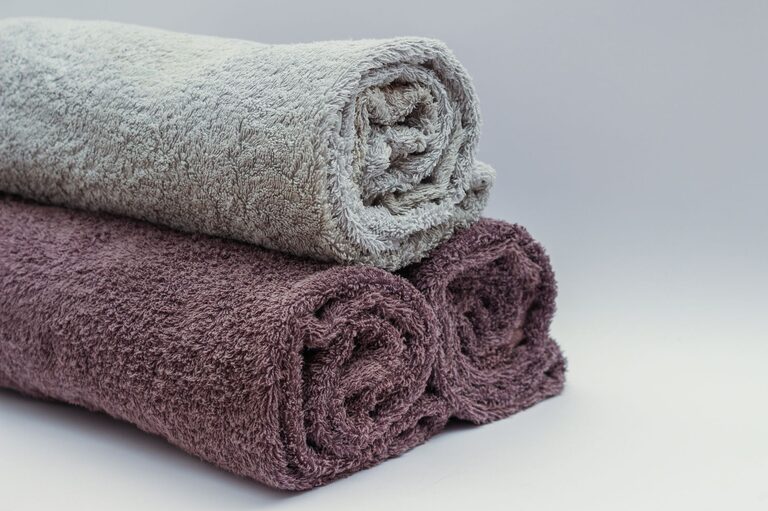
Soft, fresh towels can make an everyday shower feel more comfortable. However, towels often become stiff, musty, or less absorbent over time. This usually happens because of product buildup, overloading, poor drying, or storing towels while they are still damp.
The good news is that a few simple laundry and storage habits can help towels stay clean, fluffy, and pleasant to use. Here are practical tips for caring for bath towels, hand towels, and washcloths.
Wash towels separately when possible
Towels create a lot of lint, especially when they are new. Washing them separately helps prevent lint from sticking to clothing and gives the towels enough room to move freely in the machine.
Washing towels together also makes it easier to choose the right water temperature and cycle. Clothing may need gentler treatment, while towels generally benefit from a more thorough wash.
If you do mix towels with other items, avoid washing them with delicate fabrics, items with zippers, or clothing that produces a lot of lint.
Do not overload the washing machine
A crowded washing machine cannot rinse and clean fabrics effectively. Towels need space to circulate through the water, so an overloaded drum may leave behind detergent, body oils, and odors.
As a general rule, fill the drum loosely rather than packing it tightly. You should be able to place your hand above the load without pressing down on the towels. If the machine is full before the cycle begins, remove a few items and wash them separately.
Smaller loads may take more time, but they can help towels rinse more thoroughly and dry more evenly.
Use the right amount of detergent
Using extra detergent does not necessarily make towels cleaner. In fact, too much detergent can remain in the fibers and make towels feel stiff or coated. Product buildup may also reduce absorbency.
Follow the measuring instructions on the detergent container and adjust the amount if you have a high-efficiency washing machine. If your towels feel waxy, heavy, or less absorbent, try using slightly less detergent for several washes.
Avoid adding fabric softener to every load. Fabric softener can coat towel fibers, making them feel smooth at first but reducing their ability to absorb water. If you like a softer feel, use it sparingly or skip it altogether.
Choose a suitable wash temperature
Check the care label before selecting a cycle. Many cotton towels can be washed in warm water, which helps remove everyday oils and residue. Hot water may be appropriate for some towels, but frequent high-temperature washing can increase wear, fading, and energy use.
A regular or towel cycle is often a good choice for heavily used bath towels. For lightly used hand towels, a standard cycle may be enough.
Do not rely only on a quick wash for towels that are noticeably damp, musty, or heavily soiled. A longer cycle can provide a more complete clean.
Add an occasional rinse with white vinegar
If towels have a persistent odor or feel coated with detergent, an occasional rinse with white vinegar may help remove residue. Add a small amount to the washing machine’s fabric softener compartment, following the machine instructions.
Do not mix vinegar with chlorine bleach. Combining cleaning products can create dangerous fumes. Use one product at a time, and check the care instructions for both your towels and washing machine.
This treatment does not need to be part of every wash. Occasional use is usually enough when product buildup or odor becomes a problem.
Dry towels completely
Damp towels are more likely to develop a musty smell, especially when left in a basket, on the floor, or in a poorly ventilated bathroom. Move towels to the dryer or hang them up soon after the wash cycle ends.
If using a dryer, choose a suitable heat setting based on the care label. Medium heat is often a practical option for cotton towels. Very high heat can wear down fibers over time and may cause shrinkage.
Avoid drying towels for much longer than necessary. Overdrying can make them feel rough and may use extra energy.
To help towels dry evenly:
– Shake them out before placing them in the dryer.
– Do not pack the dryer too tightly.
– Clean the lint filter before each load.
– Remove towels promptly when the cycle ends.
– Separate very thick towels from lighter items when possible.
Dryer balls can help separate items and improve airflow. They may also reduce drying time, although results vary by machine and load size.
Air-dry towels properly
Air-drying can help reduce wear, but towels need plenty of airflow. Hang each towel fully open rather than folding it over a small rail. If the towel is bunched up, the inner layers may remain damp.
Use a wide towel bar, drying rack, or clothesline when available. Leave space between towels so air can move around them. In humid weather, place the rack near a fan or in a well-ventilated room.
Outdoor drying can leave towels smelling fresh, but direct sunlight may fade darker colors over time. Turn colored towels inside out or dry them in partial shade if you want to reduce fading.
Fluff towels before folding
Once towels are dry, give them a quick shake before folding. This helps loosen the fibers and prevents them from becoming compressed.
Do not iron towels. Heat and pressure can flatten the loops that help towels absorb water. If a towel looks wrinkled, shaking it out and folding it neatly is usually enough.
When storing towels, avoid pressing them into an overfilled cabinet. A little space allows the fabric to keep its shape and helps prevent a closed-in smell.
Store towels in a dry, well-ventilated place
A bathroom cabinet can be convenient, but it may not be the best location if the room stays humid. Store clean towels in a dry cupboard or on an open shelf when possible.
Make sure towels are completely dry before folding and putting them away. Even slight dampness can lead to unpleasant odors in a closed space.
You can also improve towel storage by:
– Leaving space between folded stacks.
– Rotating towels so the same ones are not always used.
– Keeping clean towels away from cleaning products.
– Washing shelves occasionally to remove dust.
– Avoiding plastic containers that trap moisture.
Wash towels on a regular schedule
The right washing schedule depends on how a towel is used and how well it dries. Bath towels that dry fully between uses may be used several times before washing. Hand towels and washcloths often need more frequent washing because they are shared or become damp repeatedly.
Wash towels sooner if they remain wet for long periods, develop an odor, or are used after exercise or messy tasks. A towel that does not dry fully between uses should not be left in service for several days.
Refresh older towels carefully
If towels have become stiff, start with a thorough wash using a moderate amount of detergent and no fabric softener. Follow with an extra rinse if your machine has that option. Dry them fully and avoid overloading the dryer.
If the fabric remains rough or the loops are worn down, the towel may simply be reaching the end of its useful life. Regular care can extend the life of a towel, but it cannot restore fibers that have become permanently damaged.
With the right balance of washing, rinsing, drying, and storage, towels can stay fresh and comfortable for much longer. The most important habits are simple: avoid excess detergent, give towels room to move, dry them quickly, and never store them while damp.