

Food waste often happens in small ways: buying more than you need, forgetting what is in the refrigerator, or throwing away leftovers before they are used. Over time, these habits can add up. The good news is that reducing food waste does not require major lifestyle changes. A few simple systems can help you save money, enjoy fresher meals, and make better use of the food you already have.
1. Plan Meals Before Shopping
Meal planning is one of the most effective ways to avoid buying unnecessary food. You do not need to plan every meal for an entire week. Even planning three or four dinners can make a difference.
Before making your grocery list:
– Check your refrigerator, freezer, and pantry.
– Note foods that should be used soon.
– Choose meals that share ingredients.
– Consider how leftovers can become another meal.
– Add only the items you are likely to use.
For example, a bunch of fresh herbs could be used in a pasta dish, a salad, and a soup. Planning meals around ingredients you already have helps prevent duplicate purchases and makes cooking more convenient.
Keep Your Plan Flexible
Plans can change, so avoid creating a schedule that is too strict. Leave one or two meals open for leftovers, takeout, or unexpected changes. Flexible planning helps you avoid buying food for meals you may not have time to prepare.
2. Shop With a List
A shopping list keeps your attention on what you actually need. Organize the list by sections, such as produce, dairy, pantry items, and frozen foods. This can make shopping faster and reduce impulse purchases.
Before heading to the store, ask yourself:
– Do I already have this item?
– How many servings do I need?
– Will I use the entire package?
– Can I buy a smaller amount?
– Is this a food I regularly eat?
Be careful with special offers that encourage you to buy more than you can use. A larger package is not always a better value if part of it ends up in the trash.
3. Store Food Properly
Correct storage can extend the useful life of many foods. Keep foods in suitable locations and follow the storage instructions on the package when available.
Helpful habits include:
– Keep fruits and vegetables in the right refrigerator drawers.
– Store bread in a cool, dry place or freeze extra slices.
– Place newer items behind older ones.
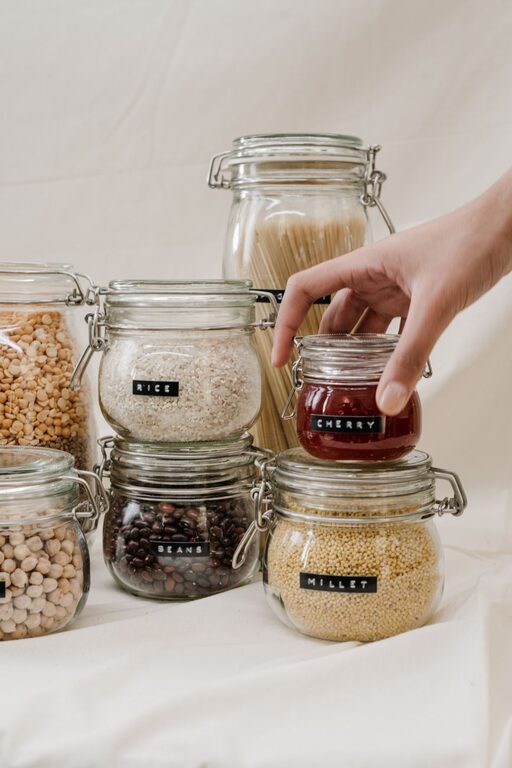
– Use airtight containers for dry foods.
– Keep leftovers covered and clearly labeled.
– Avoid overcrowding the refrigerator so air can circulate.
Some fruits produce natural gases that can cause nearby vegetables to ripen faster. Storing certain items separately can help them last longer. If you are unsure how to store a food, check a reliable food storage guide or the package instructions.
Use a “Eat First” Area
Choose one visible spot in your refrigerator for foods that should be used soon. This might include opened containers, ripe produce, or leftovers. Seeing these items first makes it easier to include them in your next meal.
4. Understand Food Date Labels
Date labels can be confusing. In many cases, a quality date does not mean the food must be thrown away immediately. Terms such as “best if used by” often refer to freshness or quality rather than safety.
Instead of relying only on the date, consider the food’s:
– Appearance
– Smell
– Texture
– Storage history
– Package condition
Do not eat food that looks spoiled, smells unusual, or has been stored improperly. For items with specific safety instructions, follow the package guidance. When in doubt, it is safer to discard the food.
5. Make the Most of Leftovers
Leftovers are useful when they are stored and planned properly. After a meal, transfer leftovers to containers and place them in the refrigerator promptly. Label containers with the date so you know what should be eaten first.
Try giving leftovers a new purpose instead of serving the same meal repeatedly. For example:
– Roasted vegetables can become a soup, wrap filling, or pasta addition.
– Cooked rice can be used in a grain bowl or stir-fry.
– Chicken or beans can be added to tacos, salads, or sandwiches.
– Extra pasta can be baked with sauce and vegetables.
– Soft fruit can be blended into a smoothie.
Portion leftovers into individual containers if you plan to take them for lunch. Smaller portions are easier to reheat and may be less likely to be forgotten.
6. Freeze Food Before It Goes Bad
Freezing is a simple way to preserve food that you will not use soon. Many foods can be frozen in practical portions, including bread, cooked grains, fruit, vegetables, soups, and sauces.
For the best results:
– Freeze food while it is still fresh.
– Use suitable freezer containers or bags.
– Remove excess air when possible.
– Label each item with its name and date.
– Freeze in portions that match your needs.
You can also freeze ingredients separately. Chopped onions, grated cheese, ripe bananas, and extra tomato paste may be easier to use when frozen in small amounts. Check whether a particular food changes texture after freezing, especially produce with high water content.
7. Use More of Each Ingredient
Many foods have useful parts that are often overlooked. With proper preparation, you may be able to use more of what you buy.
Ideas include:
– Use vegetable stems and leafy tops in soups or sauces.
– Turn stale bread into breadcrumbs or croutons.
– Add citrus zest to baked goods, dressings, or marinades.
– Use wilted greens in cooked dishes.
– Make stock from suitable vegetable trimmings.
– Add herb stems to soups or blended sauces.
Not every part of every food is suitable to eat, so use common sense and follow safe preparation practices. The goal is to find practical uses for ingredients rather than preparing more food than you need.
8. Serve Reasonable Portions
Large portions can create waste when people cannot finish their meals. Start with smaller servings and allow everyone to take more if they are still hungry. This is especially useful when serving children or preparing food for guests.
When cooking, estimate portions based on the number of people eating. If you are trying a new recipe, consider making a smaller batch until you know how much your household enjoys it.
You can also serve components separately, such as rice, vegetables, and sauce. This allows people to choose the amount they want and makes leftovers easier to reuse.
9. Create a Weekly Food Check
Set aside a few minutes each week to review what needs attention. This small routine can prevent food from being forgotten.
During your check:
- Look through the refrigerator and pantry.
- Identify foods that should be used soon.
- Move older items to the front.
- Plan one or two meals around those ingredients.
- Freeze or share anything you will not use in time.
A weekly check is more effective than waiting until the refrigerator is crowded or food has already spoiled.
10. Share or Compost What You Cannot Use
Sometimes food cannot be used before it loses quality. If it is still suitable to eat, consider sharing it with friends, neighbors, or community groups, while following local guidelines for food sharing.
For unavoidable scraps, composting can be an alternative to placing them in the trash. Fruit and vegetable peels, coffee grounds, and some other organic materials may be suitable for a home or community compost system. Check local instructions to learn what is accepted.
Make Waste Reduction a Daily Habit
Reducing food waste is easiest when it becomes part of your normal routine. Start with one or two changes, such as shopping with a list and creating an “eat first” area in the refrigerator. Once those habits feel natural, add meal planning, freezing, or weekly food checks.
The goal is not perfection. Even small improvements can help you make better use of the food you buy, reduce unnecessary waste, and simplify everyday meals.